Nostalgia
Stronger Women Than Me
I have always been physically weak. Not in ambition or in the way I build relationships—those parts of my life are solid. But the structure I was born with refuses to grow much without chemical shortcuts, and the family history of health issues convinced me not to gamble with PEDs. I accepted long ago that, in pure strength, I am fragile.
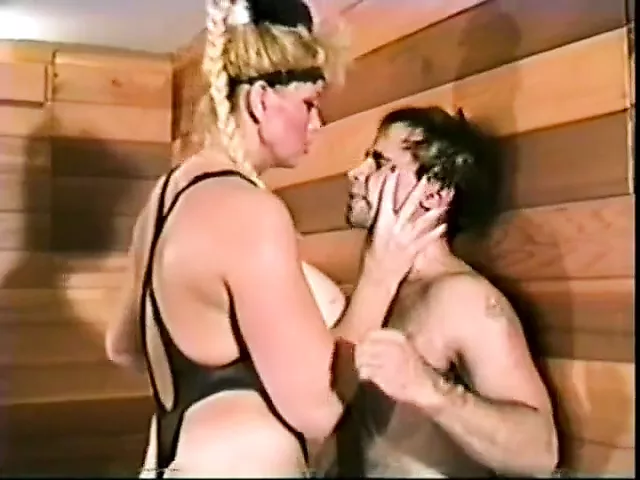
Back in the late eighties I saw a TV special about women paid to beat up men. The men hired them, desperate to taste that fetish. When the internet finally landed in my home I went looking for that same energy and found the clips that shaped me. These weren’t standard BDSM scenes; they were contests of raw force and humiliation. Male physical supremacy got flipped upside down, and I loved every second.

Subscription to Desire
In my twenties I had time to court women on the Internet, and the fetish market felt like a small town. There was no Tinder, no OnlyFans—just message boards, forums, and late-night chats. It wasn’t easy, but it was viable, and being single meant I could show my face without a second thought.
Two decades later everything feels commercial. Domination slid into the same category as Netflix or Photoshop: a subscription, a service, a product. Findom became a paradigm, and the places that used to feel communal—FetLife, Twitter—turned into billboards. Back then social networks were driven by friendship: add someone and they added you back. Now everything runs on one-way follows. I skim their personas; they never see mine.
Why Do I Prefer to Pay
Back in my twenties I had time to court women online. Fetish spaces were smaller. There was no Tinder, no OnlyFans, and the market felt intimate. I was also single, so putting my face out there, flirting on message boards, chatting on MSN or ICQ—that was normal. It wasn’t easy, but it was viable.
Two decades later everything is different. Domination became a subscription, a polished service packaged like Netflix, Photoshop, or anything else with a monthly fee. Findom turned into a paradigm and the networks I once used to meet people—FetLife, Twitter—became billboards instead of communities. In the first generation of social media friendship was mutual: if I added you, you added me. Nowadays the follow button is one-directional. I consume the persona, but it doesn’t know me.